
Get Cement Board Installation in Greenville, SC
Property owners in Greenville, SC, can find local contractors to install cement boards for bathroom showers, kitchen backsplashes, or exterior siding, solving moisture and durability concerns.
Cement board installation is an essential step for property owners in Greenville, SC, planning renovations or new construction projects that require durable, moisture-resistant surfaces. Whether upgrading bathrooms, creating tiled walls, or enhancing exterior areas, choosing the right service provider can ensure the job is done correctly and efficiently. Property owners exploring their options often compare local contractors to find experienced professionals who understand the specific needs of the Greenville area and can deliver reliable results.
If you're considering cement board installation, it’s helpful to review the qualifications and experience of nearby service providers. Finding a trusted local contractor can provide peace of mind as you plan your project, knowing that skilled professionals are ready to handle the work with quality and attention to detail. Keep reading to learn more about how to connect with the right experts for your cement board installation needs.
- Bathroom renovations - when upgrading or remodeling a bathroom in neighborhoods across Greenville, SC, requires durable cement board installation.
- Kitchen backsplashes - installing cement board behind tile in kitchens throughout Spartanburg County ensures long-lasting moisture resistance.
- Exterior wall cladding - when enhancing the weather resistance of home exteriors in Anderson, SC, local contractors can handle cement board installation.
- Basement waterproofing - in areas prone to humidity and moisture, such as Greenville’s basement spaces, experts can install cement boards for added protection.
- Tile shower surrounds - for durable and water-resistant shower enclosures in neighborhoods around Greenville, local service providers are available to assist.
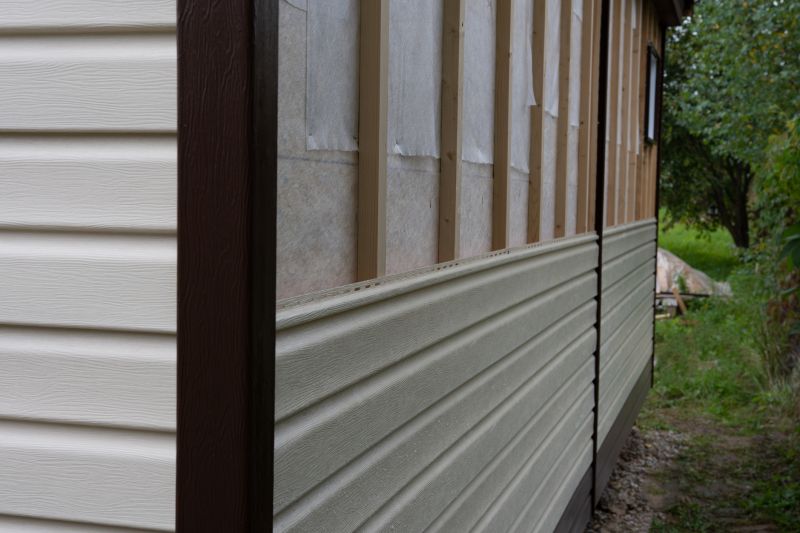
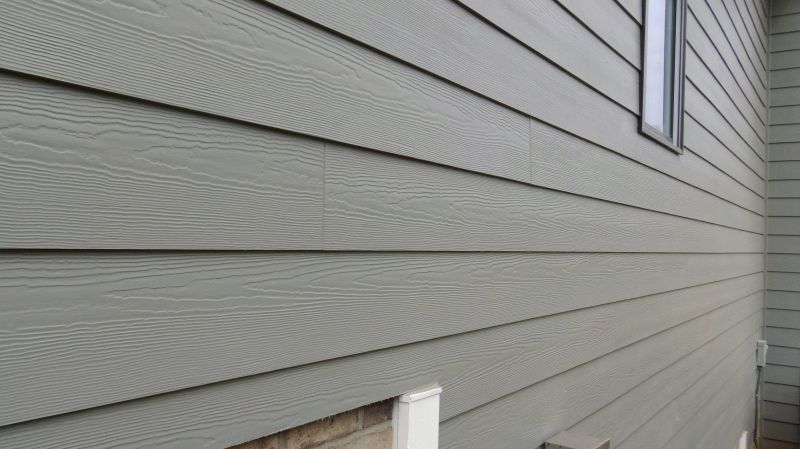
Cement board installation involves placing durable, moisture-resistant panels that serve as a strong backing for various interior and exterior surfaces. These boards are often used in areas prone to water exposure, such as bathrooms, kitchens, and laundry rooms, as well as for exterior siding and tile installations. The process typically includes measuring and cutting the cement boards to fit specific spaces, securing them firmly to wall framing, and sealing joints to create a smooth, stable surface. Skilled contractors can ensure that the installation is precise, helping to improve the longevity and performance of the finished surface.
One of the primary issues cement board installation helps address is moisture damage. Traditional drywall can deteriorate quickly when exposed to water, leading to mold, rot, and costly repairs. Cement boards are designed to resist water and humidity, making them an ideal choice for high-moisture environments. Proper installation prevents water infiltration behind the panels, reducing the risk of mold growth and structural damage. Additionally, cement boards provide a solid base for tile, stone, or other finishing materials, ensuring that these surfaces remain securely attached over time.
Cement board installation is commonly needed in residential properties that require a resilient surface for bathrooms, kitchens, laundry rooms, or outdoor areas. It is also used in commercial buildings, especially in spaces where durability and moisture resistance are critical. Homeowners renovating a bathroom or installing new tile in a kitchen may seek out local contractors who specialize in cement board work to ensure the job is done correctly. These professionals can evaluate the specific needs of a property, recommend the appropriate type of cement board, and complete the installation to meet the demands of the space.
Choosing to work with experienced service providers can help resolve common problems such as cracked or damaged drywall, water leaks, and unstable surfaces. Properly installed cement boards create a reliable foundation that enhances the overall quality of the finished surface. Whether updating a bathroom, preparing an outdoor patio, or installing a new backsplash, property owners can benefit from the expertise of local contractors who understand the requirements for a durable, moisture-resistant installation. Contacting these professionals can make it easier to achieve a long-lasting, high-quality result tailored to the specific needs of any property.
The overview below groups typical Cement Board Installation projects into broad ranges so you can see how smaller, mid-sized, and larger jobs often compare in Greenville, SC.
In many markets, a large share of routine jobs stays in the lower and middle ranges, while only a smaller percentage of projects moves into the highest bands when the work is more complex or site conditions are harder than average.
Smaller Repairs - Typical costs for minor cement board repairs or patching in Greenville often range from $250 to $600. Many routine jobs fall within this middle tier, depending on the size and complexity of the repair.
Standard Installations - Installing cement board for a standard bathroom or kitchen project generally costs between $1,000 and $3,000. Local contractors often handle these projects at this typical price range, which covers most mid-sized installations.
Full Room or Area Installations - Larger, more comprehensive cement board installations for entire rooms can range from $3,500 to $8,000. Fewer projects reach into this higher tier, which usually involves extensive prep work and multiple areas.
Complete Replacement or Complex Projects - Complete removal and replacement of cement board or highly complex installations can exceed $10,000, with larger, more intricate jobs reaching $15,000 or more. These projects are less common and typically involve significant structural work or custom features.
Actual totals will depend on details like access to the work area, the scope of the project, and the materials selected, so use these as general starting points rather than exact figures.
Drywall Installation - drywall installation involves precise cutting and fastening, similar to cement board setup for walls and ceilings.
Tile and Grout Work - tile installation requires surface preparation and waterproofing skills akin to cement board placement in bathrooms and kitchens.
Backer Board Installation - installing various types of backer boards for showers or floors shares techniques with cement board installation for moisture resistance.
Waterproofing and Moisture Barriers - applying waterproof membranes and moisture barriers complements cement board work in wet areas to prevent damage.
Interior Wall Framing - framing walls and partitions involves planning and material handling similar to preparing surfaces for cement board attachment.
Exterior Siding and Cladding - installing exterior siding requires surface prep and fastening skills comparable to cement board installation on building exteriors.
When evaluating contractors for cement board installation, it’s important to consider their experience with projects similar to the one at hand. Homeowners should inquire about the types of jobs they’ve completed and the materials they’ve used, ensuring that the service providers have a proven track record with cement board applications. A contractor’s familiarity with local building conditions and common challenges can also influence the quality and durability of the work. By focusing on contractors who have successfully handled comparable projects, homeowners can gain confidence that the chosen professional understands the specific requirements and best practices for cement board installation.
Clear, written expectations are essential to a successful project. Homeowners should seek out service providers who can provide detailed proposals or estimates that outline the scope of work, materials to be used, and any relevant procedures. Having this information in writing helps establish mutual understanding and reduces the risk of misunderstandings or surprises later on. It’s also beneficial to discuss how the project will be managed, what the timeline might look like, and what the homeowner can expect during the process. Transparent communication upfront sets the foundation for a smooth and satisfactory experience.
Reputation and communication are key factors when comparing local contractors for cement board installation. Homeowners should look for service providers who can offer reputable references from previous clients, demonstrating consistent quality and professionalism. Good communication throughout the project-such as responsiveness to questions and clarity about progress-can make a significant difference in the overall experience. While the site introduces homeowners to local options, it’s important to remember that the actual work will be handled by trusted local contractors. Taking the time to verify references and assess communication styles can help ensure that the chosen professional aligns well with the homeowner’s expectations and needs.
Property owners in Greenville, SC use Cement Board Installation services for practical projects around their homes and businesses. This guide focuses on everyday jobs and straightforward project options.
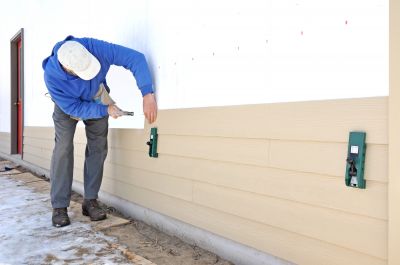
Cement board installation is a common need for property owners in Greenville, SC, especially when undertaking bathroom remodels, kitchen backsplashes, or outdoor siding projects. Homeowners may seek out local contractors to ensure that surfaces are properly prepared for tile or other finishes, helping to prevent issues like water damage or mold growth. Whether upgrading an existing space or building a new one, many property owners look for experienced service providers who can handle the precise work of installing cement board to achieve a durable and professional result.
In addition, property owners might look for local contractors to address repairs or upgrades involving cement board around showers, tubs, or exterior walls. These projects often require careful installation to withstand Greenville’s climate and protect the underlying structure. Connecting with nearby service providers can help ensure that the work is completed efficiently and to standard, giving property owners confidence in the longevity and quality of their renovation or repair projects.
What is cement board used for in construction? Cement board is a durable material commonly used as a backing for tile installations in areas like bathrooms and kitchens, providing a stable surface that resists moisture and mold.
How do local contractors install cement board? Contractors typically prepare the surface, cut the cement board to size, secure it with fasteners, and then apply a waterproofing membrane if needed before finishing the surface.
What tools are needed for cement board installation? Installers usually use a utility knife or saw to cut the board, a drill or screwdriver for fastening, and measuring tools to ensure proper placement.
Can cement board be installed over existing surfaces? Yes, in some cases, cement board can be installed over existing surfaces like drywall or old tile, but it depends on the condition and structure of the underlying surface.
Why hire a professional for cement board installation? Professional contractors ensure proper installation techniques, which can help prevent issues like moisture damage, cracking, or improper adhesion in the finished surface.
Bathroom Renovations - Property owners can use cement board installation to create waterproof walls in showers and bathtub surrounds for a durable, mold-resistant surface.
Kitchen Backsplashes - Installing cement board behind tile in kitchens helps protect walls from moisture and makes cleaning easier after cooking or spills.
Exterior Wall Improvements - Local contractors can help install cement board as a weather-resistant layer on exterior walls, enhancing durability against the elements.
Basement Wall Projects - Cement board can be used in basement areas to provide a stable, moisture-resistant surface for finishing or additional wall treatments.
If you are thinking about Cement Board Installation for a property in Greenville, SC, this guide is meant to help you understand the work, the typical project types, and how different options might fit your plans.
When you are ready, you can use the quote form on this page to share a few details about your project. From there, local pros can review the basics and respond with options that match what you have in mind.